
Pediatric neurosurgery · scheduled consultation
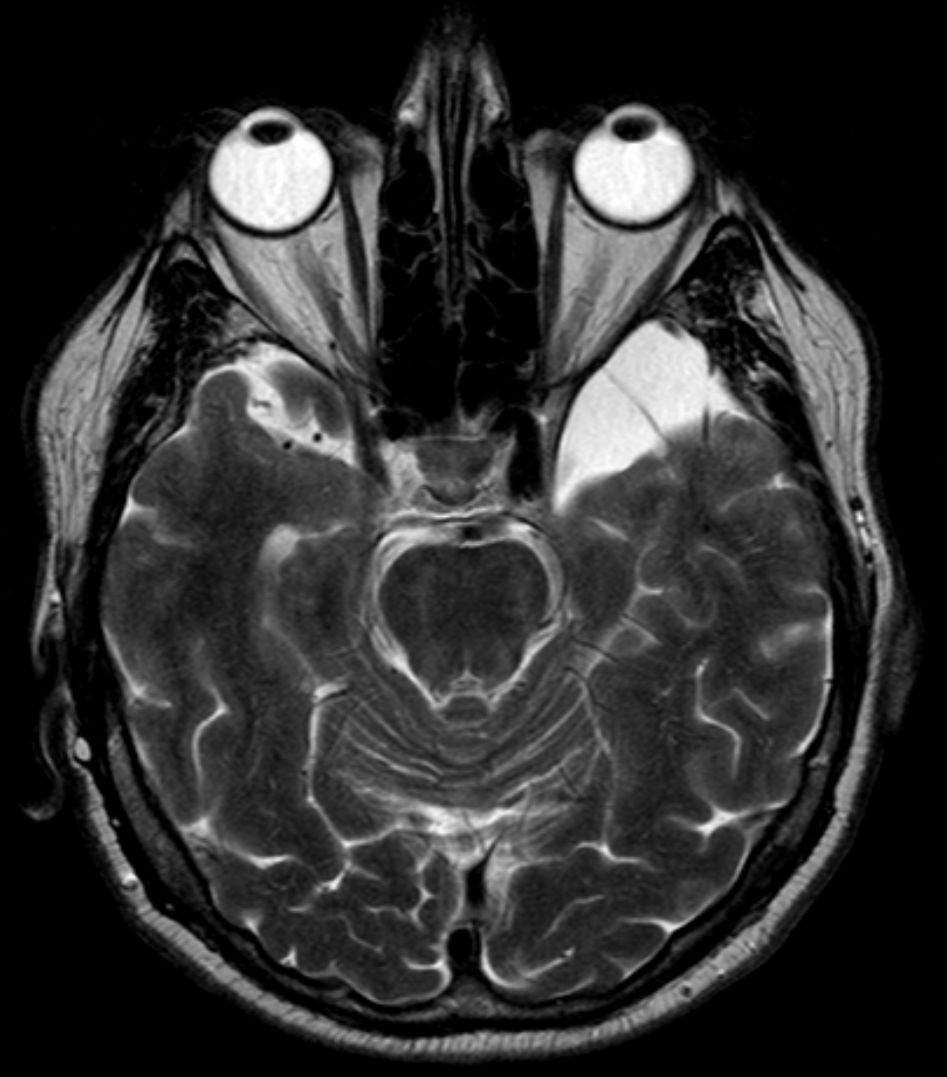
Arachnoid Cysts
A calm review of an arachnoid cyst, including its location, symptoms, surveillance questions, and whether follow-up is appropriate.
When consultation may help
Bring the concern into focus.
A scheduled visit brings symptoms, imaging, prior care, and family priorities into one organized conversation.
Questions about whether symptoms relate to the cyst
↗A surveillance interval that needs explanation
↗A second opinion about observation or treatment
↗
Help us see the whole story
What to bring when it is available.
Do not delay urgent care to gather records. For a scheduled visit, these materials can make the conversation more useful.
Complete ultrasound, CT, or MRI images and reports
Prior imaging for comparison
A symptom and developmental timeline
Neurology, ophthalmology, or emergency records when relevant

How this concern is approached.
Location, size, pressure effect, symptoms, development, and change over time are reviewed together. Many questions center on observation and surveillance; intervention is discussed only when the clinical picture supports it.
Questions families ask
A little more clarity.
What is an arachnoid cyst?
An arachnoid cyst is a fluid-filled space within the membranes around the brain or spinal cord. It is not the same as a solid tumor. Some are discovered during imaging for another concern and never cause symptoms.
Does a cyst need surgery?
Not every cyst needs treatment. The decision considers symptoms, pressure on nearby structures and changes over time. When treatment is appropriate, the surgeon explains the reason for it and the alternatives, including observation.
What should we ask about follow-up?
Ask whether more imaging is needed, when the next review should happen, and which changes should prompt a call. Bring the original images as well as the report so the team can compare the finding over time.
How the visit moves
Careful. Clear. Together.
Listen
Review symptoms, timing, prior care, daily impact, and the family’s goals.
Review
Place MRI, CT, X-ray, ultrasound, reports, and records in context.
Explain
Translate the finding and reasonable options into plain language.
Plan
Define monitoring, testing, referral, follow-up, or surgery when appropriate.
The people behind the promise
Clinical focus. Thoughtful systems.
Two complementary roles support a clear, reliable experience for children and families.
Dr. Stacey E. Podkovik
Dr. Podkovik leads the neurosurgical evaluation with a pediatric focus, connecting the child’s story, symptoms, imaging, prior care, and family priorities into a clear next-step plan.
Dr. Laura Purdy, MD, MBA
Dr. Laura Purdy, MD, MBA, supports the practice through physician-led management, care coordination, and reliable systems. Dr. Stacey Podkovik leads neurosurgical evaluation and treatment.
When symptoms should not wait.
A first seizure, sudden weakness, repeated vomiting with marked sleepiness, loss of consciousness, severe headache, or rapidly worsening symptoms requires emergency care.
Sources behind this overview
Family education from established health organizations.
These links support the general overview and cannot replace an individualized pediatric evaluation.
Continue exploring
Every pathway, connected.
01Head Shape & Cranial ConditionsExplore02Hydrocephalus & ShuntsExplore03Chiari & SyrinxExplore04Tethered Cord & Spina BifidaExplore05Brain & Spine TumorsExplore06Head Injuries & ConcussionExplore07Spasticity CareExplore08Second OpinionsExplore09Arachnoid CystsYou are here
This page provides general educational information and does not replace a medical evaluation. Calling the office or using this site does not establish a physician-patient relationship. Iris is a scripted navigation helper and does not diagnose, triage, or provide medical advice.